


Ever walked into a dealership thinking you were in control, only to walk out scratching your head, wondering what just happened?
You’re not alone. Car dealers are skilled negotiators. They use subtle psychological tactics that can steer the deal in their favour, without you even noticing.
This guide breaks down the mental maneuvers they use and how to spot them before you sign anything.
Understanding the Car Dealer Mindset
To spot the tricks, you first have to understand how dealers think. Their goal is simple: buy your car for the lowest possible price and sell it for the highest.
But it’s not just about money – it’s about perception, timing, and persuasion.

Why Dealers Use Psychological Tactics
Dealers aren’t just selling cars; they’re trained negotiators. Psychological tactics help them guide the conversation, control the tone, and influence your decisions.
These techniques aren’t just handy – they’re often part of their training. The better they are at reading you, the better the deal is for them.
The Power Imbalance in Car Selling
Most sellers don’t sell cars every day. Dealers, on the other hand, do this for a living. That imbalance means they hold more experience, more data, and more strategies.
It’s like playing poker with someone who’s memorised every hand in the book – you’re at a disadvantage before you even sit down.
Common Psychological Tricks You Should Know
These aren’t magic tricks – just clever ways to influence your thinking. Knowing them won’t make you immune, but it will make it harder to manipulate.
Anchoring You With a Low Initial Offer
This is classic. The dealer throws out a low number to “get the ball rolling.” Even if you know it’s too low, it plants a seed.
Every number that follows feels better, even if it’s still far from fair. That first offer becomes the anchor point, quietly shaping your expectations.
Creating a False Sense of Urgency
“We’ve got another buyer looking at this car.” Or, “This deal is only good for today.” Sound familiar? Dealers use time pressure to cloud your judgment.
When rushed, people make quicker, less rational decisions. Don’t let someone else’s stopwatch run your sale.
Overloading You With Information
Too much data can be just as bad as too little. Dealers may flood you with jargon, numbers, and paperwork, hoping you’ll glaze over and nod along.
If your head starts spinning, pause and ask questions. Clarity is your best weapon.

Flattery and Building False Rapport
“You’re clearly someone who knows their stuff.” That compliment feels nice, but it’s not always genuine.
Dealers might flatter you to build trust and lower your guard. Just remember – they’re working a sale, not handing out compliments for free.
Good Cop, Bad Cop Negotiation Strategy
One dealer is warm and friendly; the other is tough and stern. The friendly one “fights” to get you a better deal. It’s all theatre.
This tactic makes you feel like someone’s in your corner, but they’re all on the same team.
Downplaying the Value of Your Car
“It’s got a bit of wear and tear.” Dealers might casually point out flaws to justify a lower offer.
Sometimes, they’ll exaggerate minor issues to make you question your car’s worth. Stand firm. Know your car’s true value before you enter the conversation.
Mirroring and Manipulating Body Language
People like people who are like them. Dealers may mimic your posture, tone, or gestures to build subconscious rapport.
It feels like you’re “clicking,” but it’s a learned technique to gain trust. If you feel oddly comfortable, it might not be a coincidence.
Offering Conditional Incentives
“We can give you an extra $500 – if you sign today.” These bait offers hook you into acting fast. The catch? The deal usually isn’t as sweet as it sounds.
Conditional perks are there to distract from the bigger picture: you might still be selling your car for less than it’s worth.
Why These Tactics Often Work
Dealers don’t need mind control. These strategies work because they tap into natural human behaviour. Let’s unpack why they’re so effective.
The Role of Emotions in Selling a Car
Cars are emotional assets. They’ve been road trip buddies, moving vans, and reliable everyday companions.
Dealers know emotions can cloud logic. That’s why they gently steer the conversation toward facts, on their terms, while using your emotions to their advantage.
Decision Fatigue and Cognitive Overload
After a long negotiation, your brain gets tired. It wants the easiest option. Dealers time their pitches to strike when you’re least focused.
That’s why big offers often come at the end of a drawn-out talk. By then, you’re more likely to say “yes” just to end it.
Trust and Authority Bias in Negotiations
People tend to trust those who sound confident and knowledgeable. Dealers often wear this persona well.
They use industry terms, printed valuations, and years of “experience” to create an aura of authority. Don’t be blinded by the badge – always do your own homework.
How to Protect Yourself From Manipulative Tactics
Knowledge isn’t just power – it’s protection. Here are some simple strategies that can keep you one step ahead at the dealership.

Research Your Car’s Value in Advance
Don’t rely on the dealer to tell you what your car’s worth. Use Australian car valuation tools like RedBook or CarsGuide.
Compare similar models, mileage, and condition. That way, you’re not negotiating blind.
Get Multiple Offers Before Making a Decision
Why settle for the first offer? It’s like choosing the first restaurant you see on a road trip. Shop around. The more quotes you get, the better picture you’ll have of your car’s market value.
Stick to Your Pre-Set Price Expectations
Know your walk-away number and stay firm. If the dealer won’t meet it, thank them and move on. This puts you back in control – and sometimes even brings the dealer back with a better offer.
Bring a Friend or Advocate With You
Two heads are better than one, especially when someone else isn’t emotionally tied to the sale. A friend can spot tricks you might miss and help you keep a cool head when things get tense.
Don’t Be Afraid to Walk Away
Walking away is your strongest move. It says you’re not desperate, and that you know your worth. Sometimes, the best deals happen just as you’re heading for the door.
The Safer Alternative to Selling Your Car
If you’re tired of games and guesswork, you’ve got other options. Not everyone wants to haggle with dealers – and thankfully, you don’t have to.

Why Many Sellers Are Choosing Direct Car Buyers
Direct car buying services offer fixed quotes, fewer surprises, and faster turnaround. You skip the drama and go straight to the deal.
This option appeals to people who prefer straightforward offers over psychological games.
How Services Like Top Cash for Scrap Cars Work
Companies like Top Cash for Scrap Cars buy vehicles directly from owners. You fill out a quick form, get a quote, and if you accept, they pick up the car, often within a day.
There’s no upselling, no lowballing, and no “manager approval” delay.
When Selling to a Dealer Still Makes Sense
If you’re trading in a car for something new or selling a model that’s in hot demand, a dealership might offer you a solid deal.
Just make sure you’ve done your research and you’re clear-eyed about their tactics.
Final Thoughts
Selling a car doesn’t have to feel like stepping into a psychological chess match. The more you know, the more control you have.
Don’t rush, don’t fold under pressure, and don’t forget – you’re the one with the car they want.
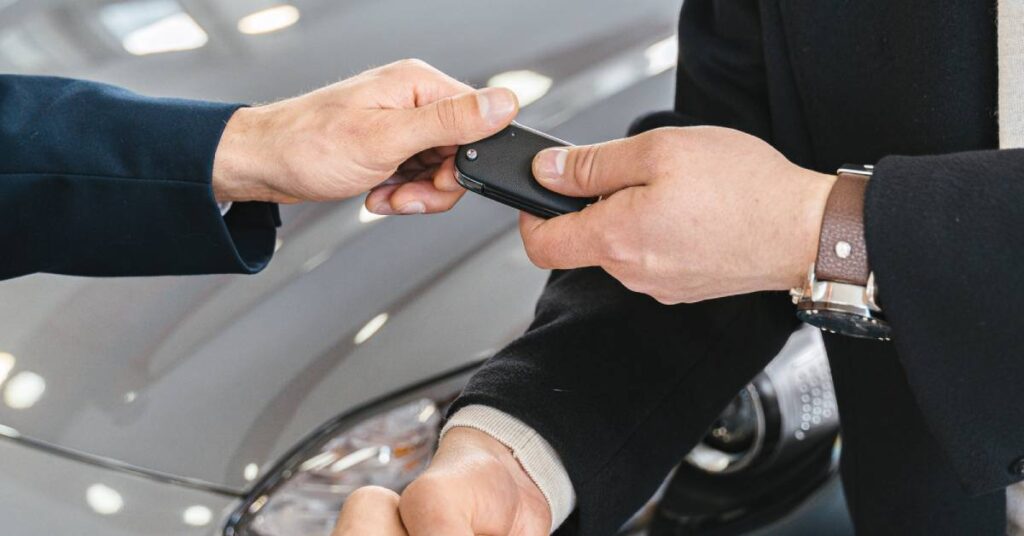
Stay Informed, Stay in Control
Awareness beats anxiety. Keep your wits about you, stick to facts, and remember that confidence is contagious. The better prepared you are, the harder you are to manipulate.
Your Car’s Value Shouldn’t Be a Bargaining Chip
Whether it’s an old ute or a newer ride, your vehicle has worth. Don’t let a slick smile and a fast pitch convince you otherwise. Be smart, be bold, and back yourself at every turn.