Lake Macquarie is more than just a scenic spot on the map – it’s a busy, growing region where cars play a huge part in daily life.
From the rising trend of electric vehicles to how folks sell their old utes and sedans, this area has its own unique rhythm when it comes to cars.
In this guide, we dive into the facts, the figures, and the fun quirks of car ownership and transport across Lake Macquarie and its neighbouring suburbs.
Overview of Lake Macquarie’s Automotive Environment
Lake Macquarie’s road scene reflects its blend of coastal calm and suburban hustle.
With a population approaching 215,000, the region supports a dense mix of private vehicles, service vehicles, and light commercial fleets.
Cars remain the most common mode of travel, with a notable shift in vehicle types over the last decade – from old sedans to SUVs and now, increasingly, hybrids and EVs.

Key Demographics and Car Ownership Statistics
Data from the Australian Bureau of Statistics shows that around 91% of households in Lake Macquarie own at least one vehicle.
Suburbs like Cameron Park average over 2 cars per dwelling, indicating a high dependency on private transport.
In contrast, suburbs with higher public housing rates, like Windale, average closer to 1.2 vehicles per home. Across the board, car ownership is growing, especially among dual-income families.
How Transportation Trends Reflect Regional Growth
Car trends in the area aren’t just about preference – they mirror local development. As more estates pop up in suburbs like Cooranbong and Morisset, there’s an uptick in vehicle registrations.
Meanwhile, growth in nearby Newcastle and the Central Coast affects traffic flow and car usage in Lake Macquarie.
More people are commuting longer distances, and that’s changing what vehicles people buy and how often they’re used.
Vehicle Ownership Patterns in the Region
Take a stroll through a Lake Macquarie carpark and you’ll see a predictable lineup: Toyotas, Mazdas, Holdens (still hanging in there), and an increasing number of Teslas.
Preferences are shifting, but utility and familiarity still drive decisions. Most families lean on versatile models that can handle school runs, Bunnings trips, and coastal weekends.
Most Common Vehicle Types and Brands
According to registration data, the Toyota Hilux and Ford Ranger top the list for popularity, followed by the Mazda CX-5 and Toyota Corolla. SUVs are quickly outpacing sedans due to their practicality.
Electric vehicles are still a small fraction, but their numbers are growing faster each year.
Average Vehicles Per Household by Suburb
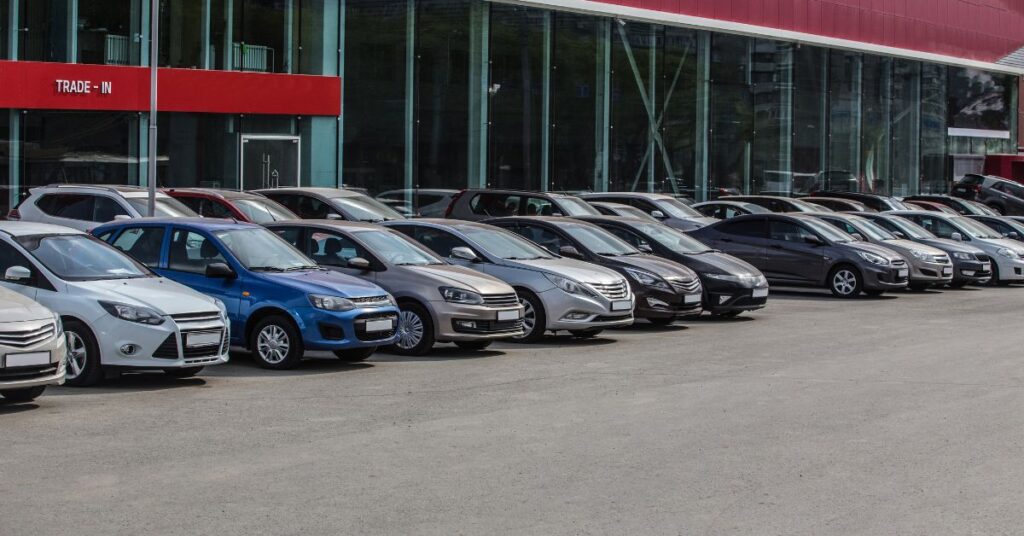
Ownership varies based on lifestyle. In more established suburbs like Warners Bay, households tend to own 1–2 cars.
But in newer developments such as Fletcher and Cameron Park, multiple vehicles per household are the norm.
These suburbs often lack public transport coverage, making cars a necessity rather than a luxury.
Insights Into Used vs. New Car Preferences
Many residents prefer used cars, especially models less than five years old, because they balance cost with reliability.
Dealerships in Cardiff and online platforms like Carsales have made access to used cars easier than ever.
Still, there’s growing interest in new vehicles among families seeking better safety features and fuel economy.
The Rise of Electric Vehicles in Lake Macquarie
Electric vehicles (EVs) have started popping up more frequently in driveways and shopping centre carparks.
While they’re still outnumbered by petrol and diesel cars, the tide is turning. Infrastructure is catching up, and residents are warming to the idea of ditching the bowser.
Current EV Adoption Rates and Growth Trends
As of the latest council data, there are over 800 registered EVs in the region – a 140% jump over the previous two years.
That’s a small slice of the total, but the curve is steep. Uptake is highest among higher-income households and tech-savvy professionals.
Government Incentives and Council Strategies
The NSW Government offers various incentives, including stamp duty exemptions and rebates for new EV purchases.
Lake Macquarie City Council also supports the shift with its Electric Vehicle Charging Strategy.
This strategy outlines a plan for a widespread public charging network and encourages businesses to install chargers on-site.
Public Charging Infrastructure and Future Plans
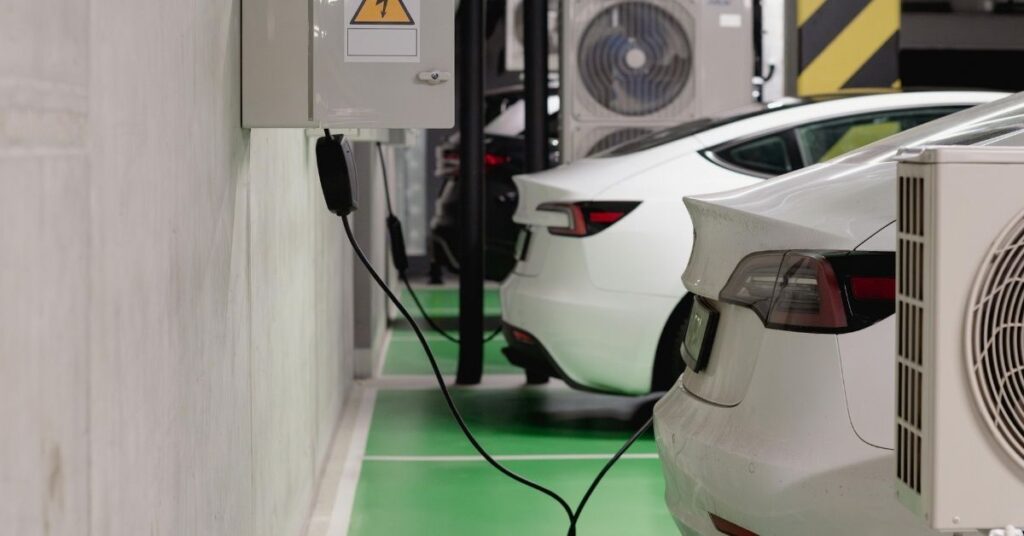
Right now, charging stations are dotted through shopping precincts and public carparks, including in Charlestown, Glendale, and Belmont.
The council aims to expand this network over the next three years, especially in high-traffic suburbs and tourist zones. The goal? Making it just as easy to charge an EV as it is to refuel a petrol car.
Where Locals Buy and Sell Cars
Whether upgrading to something flash or offloading an old ride, Lake Macquarie locals have plenty of options.
From big-name dealerships to Facebook Marketplace swaps, the second-hand car economy is alive and well here.
Popular Dealerships and Online Marketplaces
Cardiff Motor Group, Charlestown Toyota, and Hunter Honda are among the better-known dealers. For private sales, locals turn to Carsales, Gumtree, and community Facebook groups.
Many buyers prefer to shop within the region to avoid long-distance travel or delivery hassles.
How the Second-Hand Market Shapes Local Supply
The used car market affects availability and price. High demand, especially for reliable models under $20,000, means these cars don’t sit on the market for long.
With newer models lasting longer, people are more confident buying pre-owned vehicles, and sellers can command competitive prices.

Vehicle Disposal and Recycling in the Region
Every car’s story eventually ends – some gracefully, others with a tow truck. Disposing of a vehicle, especially an older one, comes with its own set of challenges in Lake Macquarie.
But thankfully, there are eco-conscious ways to part ways with your wheels.
Challenges of Dealing With Unwanted or Scrap Cars
Old cars often become a burden. They take up space, can’t be registered easily, and may leak fluids that harm the environment.
Trying to sell them privately is usually more trouble than it’s worth. That’s why many people choose professional removal services that offer instant payment and hassle-free pickups.
Eco-Friendly Vehicle Disposal Practices
Disposing of a vehicle doesn’t mean dumping it at the nearest wreckers anymore.
Today, many scrap yards and removal services recover parts, recycle metals, and safely handle hazardous materials like oils and batteries.
This helps reduce landfill waste and supports Australia’s push for sustainable practices.
Role of Local Car Removal Services
Services like Top Cash for Scrap Cars offer a convenient solution. They provide free car removal, instant quotes, and quick payments.
More importantly, they recycle cars responsibly, which means fewer old shells sitting around on lawns or cluttering driveways.
Infrastructure and Transport Planning in Focus
As more people move to Lake Macquarie, the strain on roads and parking grows. Local infrastructure needs to keep pace – not just with vehicles, but also with how people want to travel.
Roads, Congestion, and Parking Trends
Main roads like the Pacific Highway and Hillsborough Road experience regular congestion during peak times.
Parking in busy areas like Charlestown and Warners Bay is also a headache, especially on weekends. Council upgrades and new bypasses aim to ease these pressure points, but change is slow.
Public Transport and Alternative Mobility Options
While cars dominate, public transport options include buses and trains linking to Newcastle and Sydney. However, coverage is limited in outer suburbs, making driving the go-to choice for many.
Bike lanes and walking paths are expanding, but adoption remains low outside of lakeside areas.
How Urban Development Impacts Vehicle Use
As housing density increases, especially in town centres, fewer households have the space for multiple vehicles.
This shift could encourage more reliance on shared transport or smaller, more efficient vehicles. But for now, most new developments still favour the driveway and double garage model.
Environmental Impact and Sustainability Trends
Cars contribute to noise, emissions, and road wear. But with better fuel efficiency and smarter urban planning, the region is slowly moving toward more sustainable transport habits.
How Car Usage Affects Local Air Quality
Lake Macquarie doesn’t suffer from high smog levels, but local air quality still takes a hit from heavy traffic.
Hot summer days and traffic buildup near industrial zones can increase pollutants like nitrogen dioxide. Efforts to reduce idle times and promote low-emission vehicles are already underway.
The Push Toward Greener Automotive Choices
There’s growing interest in hybrids and EVs among families looking to cut fuel costs.
Coupled with state rebates and cheaper charging options, this shift could reshape the local vehicle market in the next five years.
Educational campaigns and better access to green models will be key to accelerating change.
What the Future Holds for Cars in Lake Macquarie
The road ahead is changing. In just a few years, what we drive – and how we drive – could look very different across Lake Macquarie.
Autonomous tech, subscription-based ownership models, and battery breakthroughs all point to a future with more options and fewer emissions.
Predicted Shifts in Car Ownership and Usage
Younger drivers are less inclined to see cars as a status symbol. Ride-sharing, carpooling, and even electric scooters are gaining traction.
Meanwhile, traditional ownership remains strong in outer suburbs. The next decade will likely see a split market – one part going high-tech, the other sticking with the trusty family SUV.
Emerging Technologies and Their Local Implications
Self-driving features, vehicle-to-grid energy systems, and smart road tech are on the horizon. While they’re still early-stage in regional NSW, they’re worth watching.
As infrastructure upgrades roll out and manufacturers go electric-first, Lake Macquarie drivers will have new choices – and new decisions to make.