


Ever wondered what happens to a car when it’s no longer roadworthy? It doesn’t just vanish into thin air.
In fact, it’s the beginning of an extraordinary journey – one filled with cranes, crushers, and clever chemistry.
Car recycling isn’t just about salvaging scrap; it’s a crucial process that helps Australia manage waste, recover valuable materials, and cut environmental harm.
Let’s dig into the nuts and bolts of how it all works.
What Is Car Recycling?
Car recycling refers to dismantling vehicles for spare parts, reusable materials, and scrap metal. It’s a mix of environmental duty and industrial ingenuity.
When a car is no longer usable, it’s taken apart piece by piece to reuse what still works and recycle the rest.
In Australia, with over 700,000 vehicles reaching the end of their life each year, this process plays a big role in reducing landfill and saving resources.

Definition and Purpose
Recycling a car means breaking it down into its components and recovering usable materials like steel, aluminium, rubber, glass, and plastic.
The goal is to prevent waste, reuse valuable parts, and reduce the need to mine or manufacture new materials from scratch.
It’s part of a global push to reduce our carbon footprint and preserve natural resources.
Why It Matters in Australia
Australia is a country of car lovers, and that means a lot of old cars eventually need to go.
Recycling helps limit environmental damage, especially in a country with vast open spaces but limited landfill options.
Plus, it keeps hazardous materials like oil and battery acid out of our soil and waterways.
The Lifecycle of a Vehicle
Every car has a story. From its first rev on the highway to its last sputter, there’s a journey involved – and recycling is the final chapter.
Understanding how and why cars end up recycled gives context to the entire process.
From Manufacturing to End-of-Life
Vehicles begin life in factories, assembled from thousands of parts. They serve their owners for years, sometimes decades, before wear and tear or technological obsolescence kicks in.
At the end of this journey, scrapping becomes the most eco-friendly option.
Common Reasons Cars Are Recycled
Cars are usually scrapped due to age, damage from accidents, or costly mechanical issues. Sometimes, newer models make older ones less appealing.
Other times, stricter emissions standards make older cars a liability. Either way, recycling offers a responsible solution.

The Car Recycling Process Explained
What actually happens when a car is sent for recycling? It’s not just squashed into a metal cube, though that’s definitely part of it. Here’s the breakdown of how cars go from clunkers to raw materials.
Vehicle Collection and Transport
Recycling starts with collecting the vehicle. Towing companies or scrap yards pick up the car and transport it to a recycling facility.
Once it arrives, it’s logged into the system and assessed for hazardous materials or reusable parts.
Depollution: Removing Hazardous Materials
This is one of the most critical stages. All harmful substances – like engine oil, brake fluid, battery acid, and refrigerants – are drained and safely stored.
These chemicals can pollute soil and water if not handled correctly.
Dismantling for Reusable Parts
Next comes the stripping. Workers remove components like engines, transmissions, tyres, and catalytic converters.
These parts are cleaned, tested, and resold. It’s a bit like treasure hunting – except you’re working with spanners instead of shovels.
Shredding and Material Separation
Once the usable parts are out, what’s left of the vehicle is fed into a giant shredder. It tears the car into small fragments.
Then, magnets, air currents, and flotation tanks separate the metal from plastic, foam, and other non-metals.

Final Disposal of Non-Recyclables
Not everything can be reused. The remaining residue – often called Automotive Shredder Residue (ASR)—contains materials that are too difficult or expensive to recycle.
These are sent to landfills or processed further using emerging technologies.
Materials Recovered During Car Recycling
Vehicles may be bulky, but they’re made of gold – well, not literally, but they are full of valuable stuff. From metals to plastics, recycling retrieves tons of usable materials each year.
Metals: Steel, Aluminium, and Copper
About 65% of a car’s weight is metal, mostly steel and aluminium.
Steel is easy to melt down and reshape, while aluminium and copper are also recovered and reused in everything from new vehicles to construction materials.
Plastics and Polymers
Modern cars use lots of plastic to reduce weight and boost fuel efficiency. Bumpers, dashboards, and trim can all be recycled.
However, mixed plastics pose a challenge, so ongoing research aims to improve recovery rates.
Glass, Rubber, and Other Components
Windshields and windows are crushed and reprocessed into new glass products.
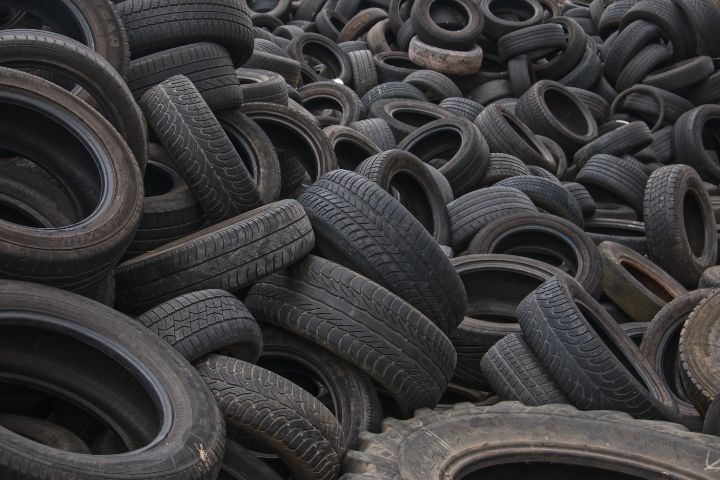
Tyres are shredded and reused in construction or playground surfaces. Even the foam from seats can sometimes be repurposed.
Technology Behind Modern Car Recycling
Gone are the days when car recycling was all about brute force. Today’s operations are smarter, faster, and safer, thanks to cutting-edge tech. Here’s how innovation is changing the game.
Advanced Shredding Techniques
Modern shredders don’t just crush cars – they disassemble them with precision.
Multi-stage shredding systems help maximise material recovery by separating layers of different substances as cleanly as possible.
Automation and Robotics in Dismantling
Some facilities use robotic arms to dismantle complex car parts. These machines work quickly and reduce the risk of injury for workers.
It’s like something out of a sci-fi movie – except it’s happening in recycling yards across Australia.
Innovations in Material Recovery
New techniques like infrared sorting and chemical processing help identify and separate materials more efficiently.
These innovations boost recycling rates and make it more cost-effective to recover difficult components.
Environmental Benefits of Car Recycling
Recycling vehicles isn’t just good for business – it’s great for the planet. Here are the big environmental wins.
Reducing Landfill Waste
Every car recycled means one less rusting shell dumped in a landfill. Since most parts can be reused or recycled, very little ends up as waste.
This reduces pressure on Australia’s already stretched landfill facilities.

Conserving Natural Resources
Recycling steel saves iron ore. Reusing aluminium means less bauxite mining.
Recovering rubber, copper, and glass saves energy and cuts down on mining and manufacturing. It’s like giving the earth a breather.
Lowering Greenhouse Gas Emissions
Producing metal from recycled sources uses far less energy than mining and refining raw ore. This lowers CO₂ emissions and helps Australia meet its climate targets.
Challenges in Car Recycling
While car recycling has made huge strides, it’s not all smooth roads. There are bumps along the way – technical, economic, and environmental.
Dealing with Complex Materials
Cars today are more complicated than ever. Lightweight materials, electronic systems, and glued components make them harder to dismantle and sort.
This slows the process and limits recycling potential.
Automotive Shredder Residue (ASR)
ASR is the leftover mix of plastics, fibres, and rubber that remains after shredding. It’s tough to recycle and often ends up in a landfill.
Scientists are working on ways to extract more value from this tricky material.
Regulatory and Economic Hurdles
Recycling rules differ by state. Fluctuating metal prices can affect profits. And not all facilities have access to the latest technology. All these factors can limit efficiency and investment in better systems.
The State of Car Recycling in Australia
Australia is no stranger to recycling, but when it comes to cars, there’s still room to grow. Here’s where we stand.

Current Statistics and Trends
More than 700,000 cars are scrapped annually in Australia. Around 80-90% of their weight is recycled. The goal is to push that figure even higher as technology and infrastructure improve.
Australia’s Role in the Global Recycling Chain
Australia exports a lot of its recovered metal, particularly to Asia. It’s a key player in the global recycling market, even though much of the advanced reprocessing still happens overseas.
Relevant Laws and Environmental Policies
Government policies encourage safe disposal of vehicles, control emissions, and promote recycling.
Programs like the Product Stewardship Act aim to make manufacturers more accountable for their vehicles’ end-of-life impact.
The Future of Car Recycling
The road ahead is promising. As cars get smarter, so too will the methods for breaking them down and reusing their parts. Innovation and consumer pressure are driving the industry forward.
Emerging Technologies and Techniques
Expect better sorting systems, biodegradable components, and smarter dismantling robots. Some researchers have even been exploring ways to build cars with recycling in mind from day one.
Shifts in Consumer and Industry Behaviour
Consumers are becoming more environmentally aware. Meanwhile, automakers are being pushed to design cars that are easier to recycle.
This dual pressure is reshaping the landscape of car manufacturing and disposal.
Toward a Circular Automotive Economy
More manufacturers are aiming for a circular economy model, where cars are made, used, dismantled, and reborn as new vehicles or products.
It’s not a pipe dream; it’s already in motion in parts of Europe and Asia.
How Individuals Can Support Car Recycling
Car recycling isn’t just for the experts. Everyday drivers can play a part in making the process more effective and environmentally friendly.

Choosing Reputable Recycling Services
Don’t just dump your old car anywhere. Use licensed and transparent recyclers who follow safe, eco-conscious methods. Services like Top Cash for Scrap Cars offer both convenience and peace of mind.
Maintaining Vehicles for Extended Use
Taking care of your car can delay the need for recycling altogether. Regular maintenance, sensible driving, and timely repairs extend a car’s life and reduce waste.
Making Environmentally Conscious Disposal Choices
When your car reaches the end, dispose of it responsibly. Recycling isn’t just the final step – it’s the smart one.
And if you think your old ride is worthless, think again. There’s value in that rust bucket, and plenty of skilled hands ready to give it a new purpose.