

Electric vehicles (EVs) are no longer a futuristic concept – they’re here, and they’re multiplying fast.’
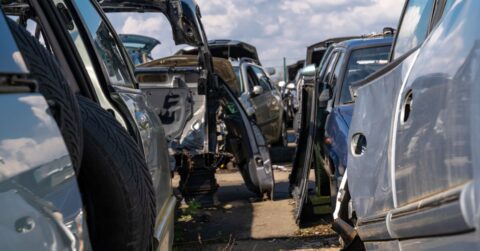
But while most of the buzz is about driving them, fewer people are asking the tougher question: what happens when they stop running?
Vehicle disposal in this new electric age brings new challenges and opportunities. This guide unpacks everything Australians need to know about saying goodbye to an electric car responsibly.
The Rise of Electric Vehicles in Australia
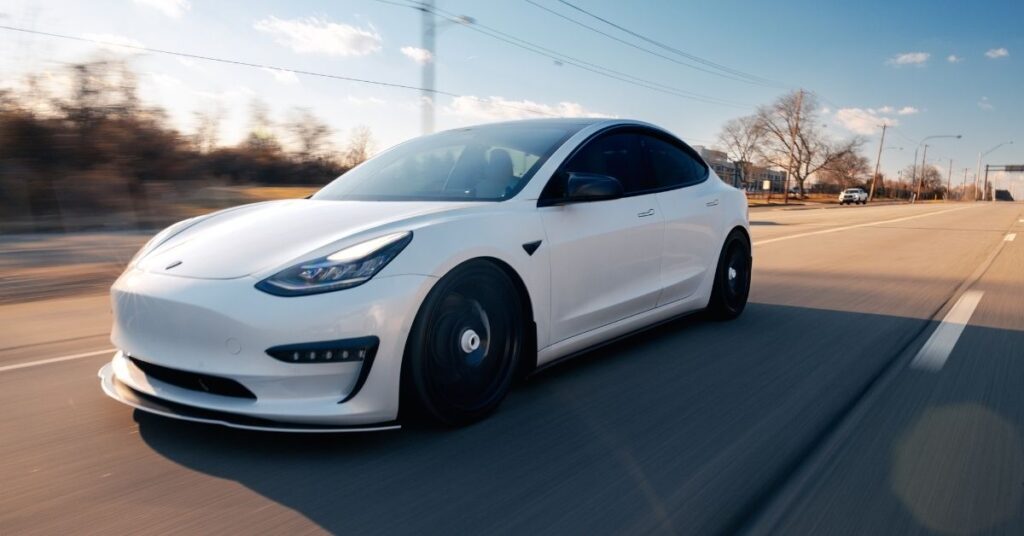
Australia has seen a sharp rise in electric vehicle uptake. Thanks to growing environmental awareness, government incentives, and improving charging networks, more Australians are switching to EVs.
In fact, EV sales in 2023 more than doubled compared to the previous year. With more EVs hitting the road, it’s only natural that more will eventually come off it.
Why EV Adoption Is Accelerating
Several factors are speeding up the EV revolution. Fuel prices are unpredictable. Meanwhile, EVs offer lower running costs and fewer mechanical issues.
Government policies are also helping by offering rebates, tax cuts, and exemptions on the luxury car tax. Car makers are phasing out petrol and diesel models, pushing EVs to the front of the queue.
Impacts on Traditional Vehicle Disposal Methods
Scrapping a petrol or diesel car is a well-oiled machine. Wreckers know the drill. But EVs? They’re a different beast. High-voltage batteries require special handling.
Some parts can’t be recycled the same way. And the need for trained technicians is much higher. The old disposal playbook needs a rewrite.
Understanding the Lifecycle of Electric Vehicles
Like all machines, EVs have a shelf life. But the way they age and retire is different. It’s not just about engine wear – the battery plays a starring role.
And it’s a performance that continues long after the final drive.
What Happens to EVs After Their Road Life Ends?
When an electric car reaches the end of its useful life, it enters a different phase. Some parts are stripped for resale. The body may be crushed and recycled.
But the big question is what happens to the battery. It may be too weak for driving, but still good enough to store solar energy. Others head to recycling plants to be broken down into raw materials.
EV Battery Lifespan and Performance Degradation
Most EV batteries last 8 to 10 years, depending on usage and climate. Over time, they hold less charge and provide fewer kilometres per charge.
While some batteries fade faster in hot conditions, most modern packs are surprisingly resilient. Once capacity drops below a usable level, they’re pulled from service – but that’s rarely the end of the road.

The Environmental Impact of EV Disposal
Electric cars are better for the environment – but only if their parts are handled properly after they retire.
If batteries end up in landfills, they can leak toxic materials like lithium and cobalt. The good news? Recycling offers a cleaner path, but only if done correctly.
Battery Waste and Its Ecological Risks
Lithium-ion batteries are powerful but potentially hazardous. If punctured or exposed to heat, they can catch fire or explode.
When dumped in landfills, they may leak harmful chemicals into the soil and groundwater. Australia is still developing safe, widespread collection systems – and until that’s built out, risk remains.
Recycling vs Landfill: The Sustainability Argument
Sending EVs and their batteries to landfills is a waste – literally. Batteries contain valuable metals that can be reused.
Recycling not only reduces mining demand but also cuts carbon emissions. Some facilities can now recover up to 95% of a battery’s components. That’s a win for the environment and the economy.
Challenges in Disposing of Electric Vehicles
Electric vehicles may seem simple to operate, but they’re trickier to break down.
From technical handling to limited infrastructure, getting rid of them isn’t as easy as dropping off your old fridge at the tip.
Complexity of Dismantling EVs
Unlike petrol cars, EVs contain high-voltage systems. These need to be disconnected with care. Trained professionals must wear protective gear and follow safety procedures.
And that’s before they get to disassembling the battery pack, which can contain hundreds of individual cells.

Hazards of Lithium-Ion Batteries
Lithium-ion batteries are dense with energy – that’s why EVs can travel so far. But mishandling them is risky.
There’s potential for electric shock, chemical burns, or even thermal runaway (yes, that’s as bad as it sounds). That’s why scrapping EVs requires more than a sledgehammer and a forklift.
Lack of Established Recycling Infrastructure
Australia is still playing catch-up when it comes to EV battery recycling. There are few facilities capable of safely processing them.
Transporting batteries across long distances adds cost and risk. Until more centres open locally, proper disposal remains a logistical headache.
Opportunities in EV Battery Reuse and Recycling
But it’s not all doom and gloom. There’s gold in them there batteries – or at least cobalt, nickel, and lithium.
Clever companies are finding new ways to squeeze more life out of old batteries. And as tech improves, so do the returns.
Second-Life Applications for Used EV Batteries
Even after retirement, EV batteries aren’t done. Many are repurposed for home or industrial energy storage.
Think solar setups with giant battery packs from old EVs. These second-life systems help power homes and reduce grid pressure.
Current and Emerging Recycling Technologies
New recycling methods are getting better at recovering valuable materials. Some use high-temperature processes to melt and separate metals.
Others use water or chemicals to extract elements more precisely. These innovations are making recycling cheaper, safer, and more efficient.
Material Recovery: What Can Be Salvaged?
A modern EV battery contains copper, aluminium, steel, lithium, nickel, cobalt, and graphite. All of these can be reused.
Some recovery processes now hit over 90% efficiency. That’s a serious step up from old-school shredding and smelting.

Regulations and Policies Governing EV Disposal
Laws are catching up with technology. Australia is beginning to draft and implement frameworks for safe EV battery disposal.
Still, there’s a way to go. Without solid rules, we risk a wave of battery waste heading to landfills.
Australian Government Initiatives and Guidelines
The federal government has launched the National Battery Strategy to build a domestic recycling industry.
Some states are introducing regulations for battery storage and handling. These are early days, but momentum is building.
International Best Practices and Their Relevance
Countries like Norway and Germany are ahead of the curve. They’ve mandated recycling and created networks of collection centres.
Australia can learn a lot from their models, particularly how to manage battery logistics and fund recovery programs.
The Role of Car Removal and Scrap Services
Companies that deal with scrap cars are adjusting their methods to handle EVs safely. It’s no longer just about crushing and collecting.
It’s about careful removal, assessment, and responsible disposal – especially for the battery systems.
How Vehicle Recyclers Handle Electric Cars
Recyclers assess the condition of an EV and isolate high-voltage parts first. They then strip out reusable components before crushing the chassis.
Many now partner with battery processors to divert packs to second-life applications or proper recycling facilities.
Safe Transportation and Storage of EV Batteries
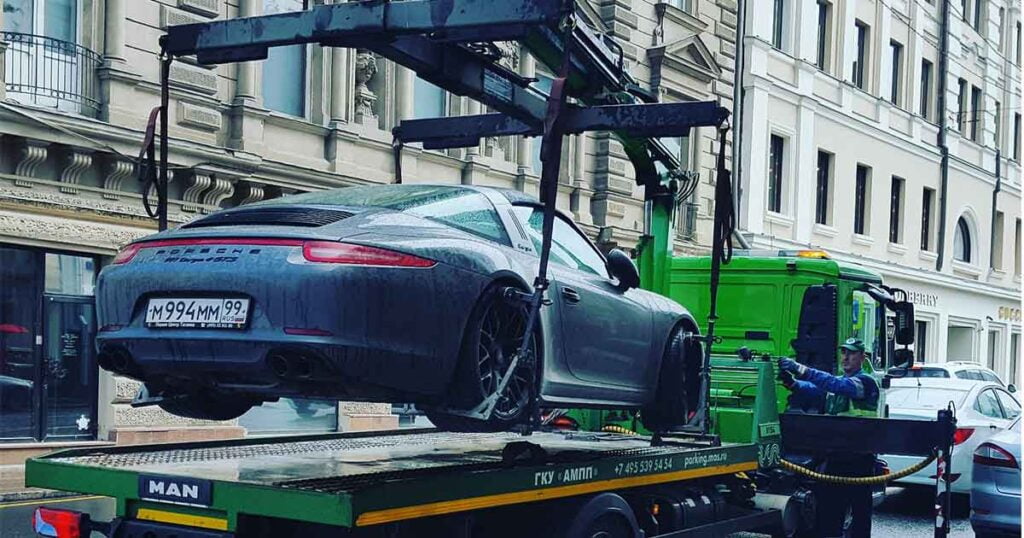
Moving used EV batteries isn’t as simple as tossing them into a ute. They must be packed in flameproof containers and labelled properly.
Storage requires temperature control and fire suppression measures. The rules are strict – and for good reason.
What EV Owners Should Know Before Disposal
Got an old EV collecting dust? Don’t just hand over the keys without knowing your options. There’s value in that car – and the right way to get rid of it.
Signs Your EV Is Ready for Retirement
Battery range has dropped dramatically. Repairs cost more than the car’s value. Parts are hard to source.
Or maybe you’ve just upgraded to a newer model. If any of these sound familiar, it might be time to let your EV go.
Checklist for Disposing of an Electric Vehicle
- Get a quote from a certified EV removal service
- Back up and delete personal data from onboard systems
- Disconnect registration with your state authority
- Check whether the battery will be recycled or reused
- Request documentation for responsible disposal
Looking Ahead: The Future of Vehicle Disposal
Disposing of vehicles is no longer just a matter of junking old metal. As EVs rise, so do questions about safety, sustainability, and smart reuse.
The old way won’t cut it. But with new technology, better laws, and smarter services, Australia is laying the groundwork for a cleaner exit route for tomorrow’s cars.
Trends in Circular Economy and EVs
The circular economy model is gaining traction. Instead of throwing materials away, it aims to reuse and repurpose them.
EV batteries fit neatly into this idea, as they can serve multiple lives before final recycling. More manufacturers are designing batteries with recycling in mind from day one.
Innovations Shaping the Next Decade
Expect more battery drop-off locations. Smarter dismantling robots. AI-powered diagnostics for reuse potential.
And better recovery rates for rare materials. Disposal won’t just be about getting rid of a car – it’ll be about giving it another life, or at least another purpose.