


Vintage cars are roaring back to life, not just in garages and private collections, but on the roads, in car shows, and across social media.
Once considered relics of the past, these classic machines are now prized possessions and cultural symbols.
From Holden Monaros to Datsun 240Zs, old-school rides are shifting gears into the spotlight again. But what’s driving this comeback?
Introduction: A Timeless Passion Rekindled
There’s something special about a classic car that today’s high-tech vehicles can’t replicate. Maybe it’s the raw engine sound, the smell of old leather, or the joy of a manual gearbox.
Australians are reconnecting with cars from decades past, not only for their style but for the memories they hold. This isn’t just a phase – it’s a movement driven by nostalgia, economics, and community.
What Defines a Vintage Car in the Modern Era?
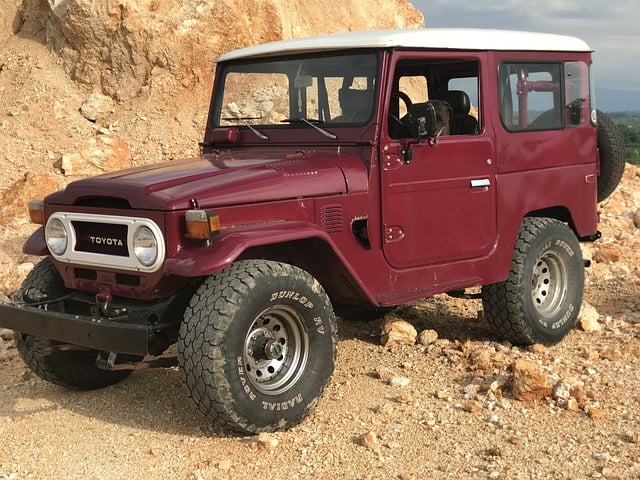
In Australia, a “vintage car” typically refers to vehicles built before 1980, though some stretch this to include models up to the early 1990s.
These aren’t just old cars – they’re icons. From muscle cars and European classics to quirky Japanese imports, the vintage label now covers a wide range.
What they all share is heritage, character, and a connection to a bygone automotive era.
Why Are Vintage Cars Making a Comeback?
The resurgence isn’t random. It’s being fuelled by a mix of sentiment, smart investment, and shifting trends. Here’s what’s behind it:
The Power of Nostalgia
Many vintage car enthusiasts grew up riding in or admiring these cars. Now, as adults, they’re bringing those dreams to life.
There’s comfort in the familiar, especially in a rapidly changing world. Driving a classic Holden or a 1960s VW Beetle is like stepping into a time machine – no DeLorean required.
Investment Value and Long-Term Appreciation
Unlike new cars that lose value the moment they’re driven off the lot, vintage cars often appreciate over time.
A well-maintained Ford Falcon GT or an early model Porsche 911 can fetch serious dollars today. Collectors and investors alike are treating these cars as rolling assets.
Modern Trends Influencing Classic Tastes
Social media plays a huge role. Instagram feeds are filled with sleek photos of perfectly restored vintage rides.
Car culture influencers and YouTube channels are spotlighting restoration projects, influencing younger audiences to take an interest. Style and retro appeal are back in fashion – on the roads and online.
Policy Shifts and Registration Concessions
In several Australian states, vintage vehicles benefit from reduced registration fees and special club permits.
These make it easier and cheaper to keep a classic car roadworthy, encouraging owners to bring them out of the shed and back onto the tarmac.
The Rise of Restomods: Fusing Classic Design With Modern Tech
Restomods – where vintage cars are restored but upgraded with modern features – are booming. Think of them as retro on the outside, 2025 under the bonnet.
What Are Restomods?
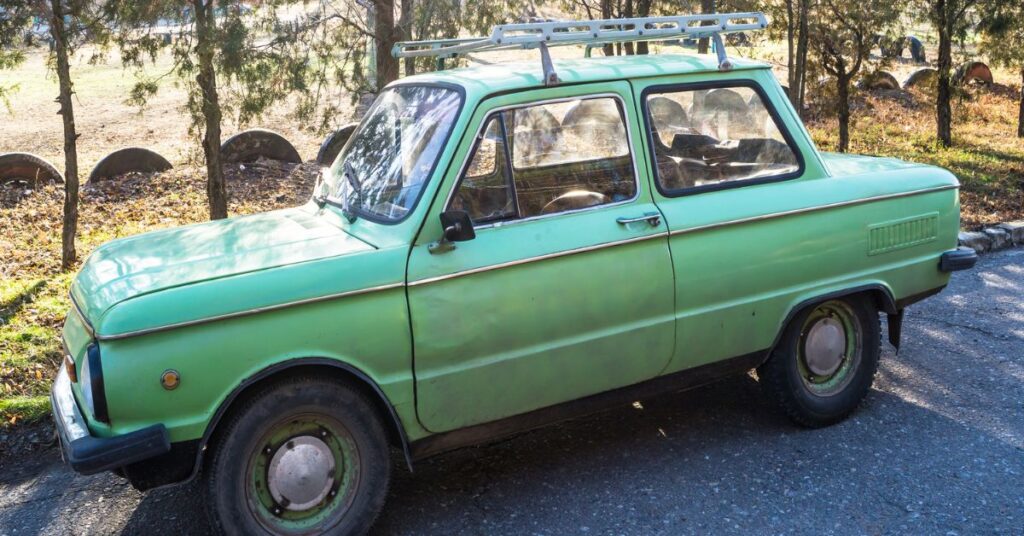
A restomod blends original aesthetics with updated parts like fuel-injected engines, disc brakes, and digital dashboards.
You get the charm of a 1970s muscle car, with the reliability and safety of a modern vehicle. It’s like giving a vinyl record a Bluetooth upgrade.
Why Restomods Appeal to New Generations
Not everyone wants to wrestle with a carburettor on a Sunday afternoon. Restomods let younger buyers enjoy the look and feel of a classic car, minus the mechanical headaches.
It’s the best of both worlds – style and drivability.
Balancing Authenticity and Innovation
Purists might argue that swapping out parts spoils the car’s originality.
But for many, upgrading is about practicality, not disrespect. If it means keeping an old car on the road longer and making it safer, it’s a win-win.
Popular Vintage Models in Australia Today
Aussies love their classics. Some models are hotter than a January bitumen road. Here’s what’s turning heads:
Australian Icons Making a Comeback
Cars like the Holden Commodore, Ford Falcon, and Chrysler Valiant are staples of the local scene. They were once everyday rides, now they’re weekend warriors and car show favourites.
International Classics Gaining Local Popularity
Japanese imports like the Nissan 300ZX and Mazda RX-7 are climbing the ranks.
European classics like the Volkswagen Kombi and early BMW M series are also sought-after. They offer flair, performance, and solid build quality.
Factors Behind the Popularity of Specific Models
Design, rarity, and historical value play major roles. Cars associated with pop culture, motorsports, or Australian history attract stronger demand. And, let’s be honest – some just look damn cool.
The Vintage Car Community and Culture
Vintage car culture isn’t just about machines – it’s about people. Across Australia, events and clubs bring car lovers together to share stories, show off their rides, and talk shop.
Events That Celebrate Classic Cars
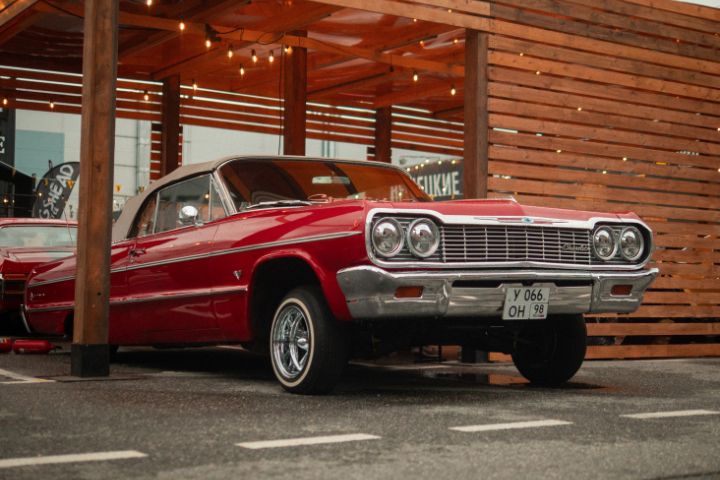
Big-ticket events like Summernats in Canberra or the Bay to Birdwood in South Australia draw thousands of enthusiasts.
Local car shows, swap meets, and weekend cruises also keep the community humming.
Clubs and Online Communities Fueling the Movement
Car clubs offer everything from social events to mechanical support.
Online forums and Facebook groups are buzzing with advice, restoration stories, and parts trading. It’s like a digital garage where everyone’s invited.
The Role of Social Media in Driving Interest
Instagram and TikTok are surprisingly powerful tools for car culture.
Viral videos of cold starts, rebuilds, and burnout competitions bring new fans into the fold. Everyone loves a good before-and-after restoration story.
Is Buying a Vintage Car a Good Investment?
Short answer: It can be. But it’s not guaranteed riches. Like any investment, buying a classic car takes research and some risk appetite.
Understanding Market Value and Trends
Some models spike in value due to nostalgia or limited production. Others might stay steady. Tracking auction results and price guides helps buyers understand the market and spot trends early.
Cost of Ownership and Maintenance
Restoring and maintaining a vintage car can chew through cash. Parts might be rare, repairs might take time, and insurance could be higher.
But for many, the payoff is the joy of owning something meaningful.
Tips for First-Time Buyers
- Start with a car that’s mechanically sound.
- Check for rust – body repairs can be costly.
- Join a club for advice and support.
- Be patient. Good things take time.
Challenges of Owning and Maintaining a Vintage Car
As much fun as vintage cars are, they come with their own set of problems. They require more hands-on care and can throw curveballs when you least expect them.

Parts Availability and Technical Skills
Finding original parts can be like a treasure hunt. Some owners turn to aftermarket or replica parts. Having a good mechanic – or being one – helps a lot. YouTube tutorials also go a long way.
Storage, Insurance, and Upkeep Considerations
Vintage cars need proper storage. Exposure to rain or humidity can speed up wear and rust. Insurance might be cheaper with limited-use policies, but premiums vary.
Regular servicing and attention are key to keeping these cars in top shape.
Environmental Impact and Emissions Compliance
Older engines weren’t built with emissions in mind. Some areas may restrict their use or introduce extra taxes. There’s a growing interest in electric conversions, but purists are still debating that one.
Future Outlook: Will the Vintage Trend Last?
Vintage cars won’t vanish anytime soon. If anything, they’re gaining traction as people yearn for simpler, more hands-on experiences.
Younger Generations and Their Interest in Classics
More millennials and Gen Z drivers are getting into vintage cars. They appreciate craftsmanship, individuality, and the chance to disconnect from tech-heavy vehicles.
The Role of Sustainability in Shaping the Future
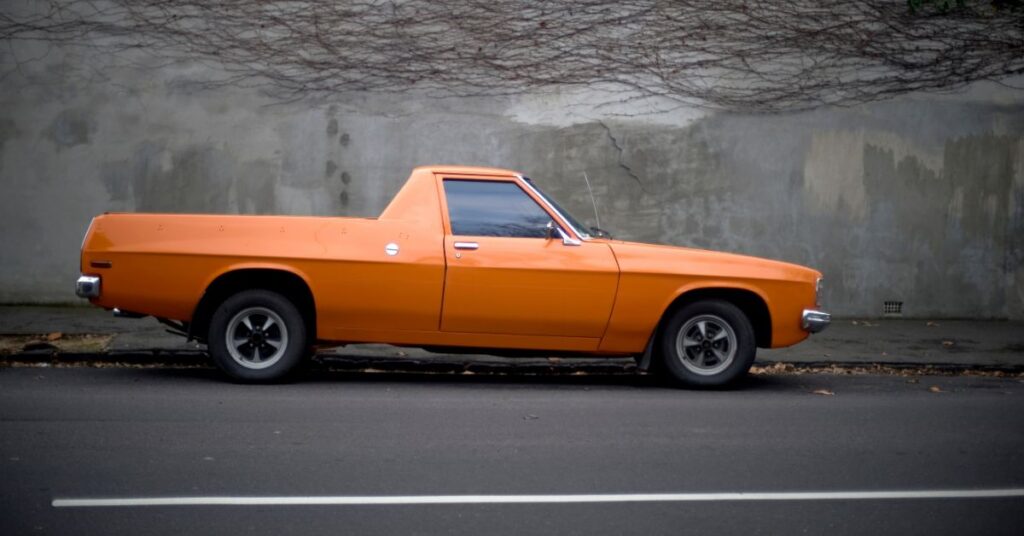
While EVs dominate headlines, many see value in preserving old vehicles rather than producing new ones. Recycling and maintaining old cars can be a form of sustainability, too.
Potential Innovations in Vintage Vehicle Preservation
We’re seeing new tools like 3D printing for rare parts and even hybrid conversions. While opinions vary, innovation is creeping into the classic car space in clever ways.
Conclusion: More Than Just Machines – Symbols of History and Identity
Vintage cars are more than metal and rubber. They tell stories, spark memories, and bring people together.
Whether it’s a beautifully restored Monaro or a scruffy old Mini still chugging along, these cars continue to win hearts. And in this fast-paced age, maybe a slower, stylish drive is just what we need.